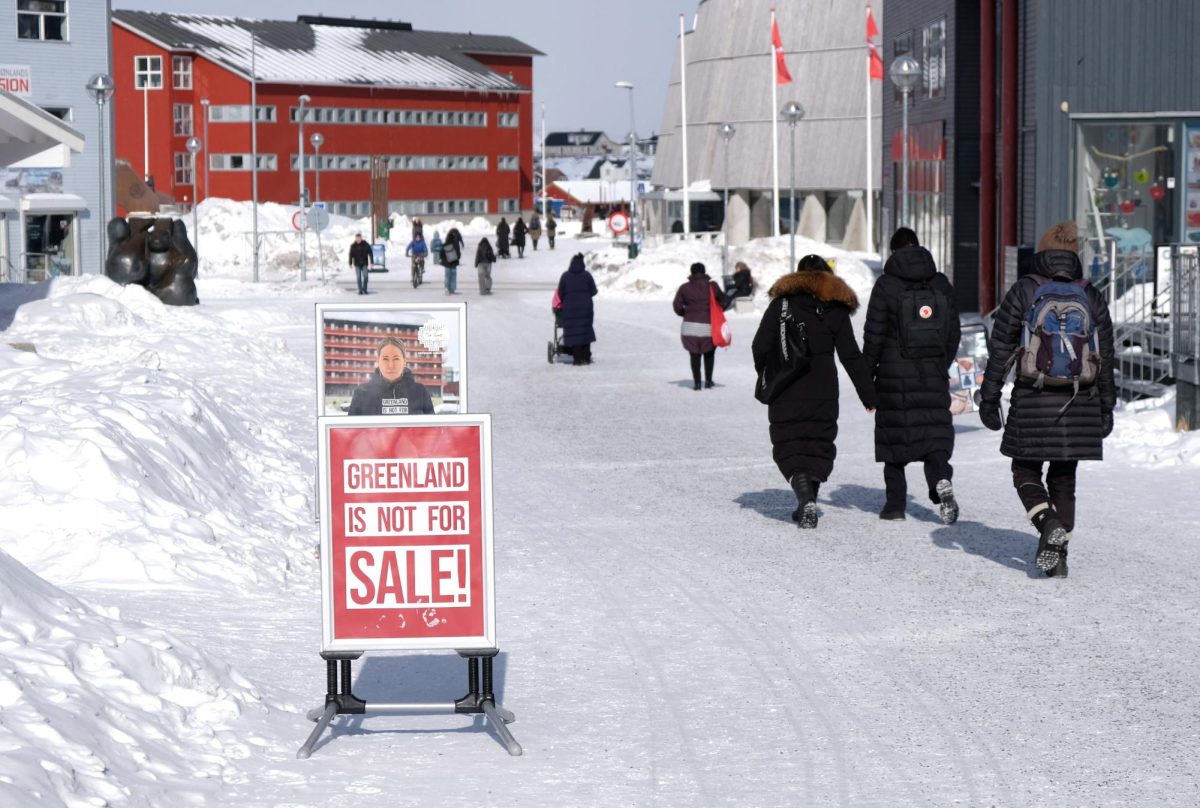
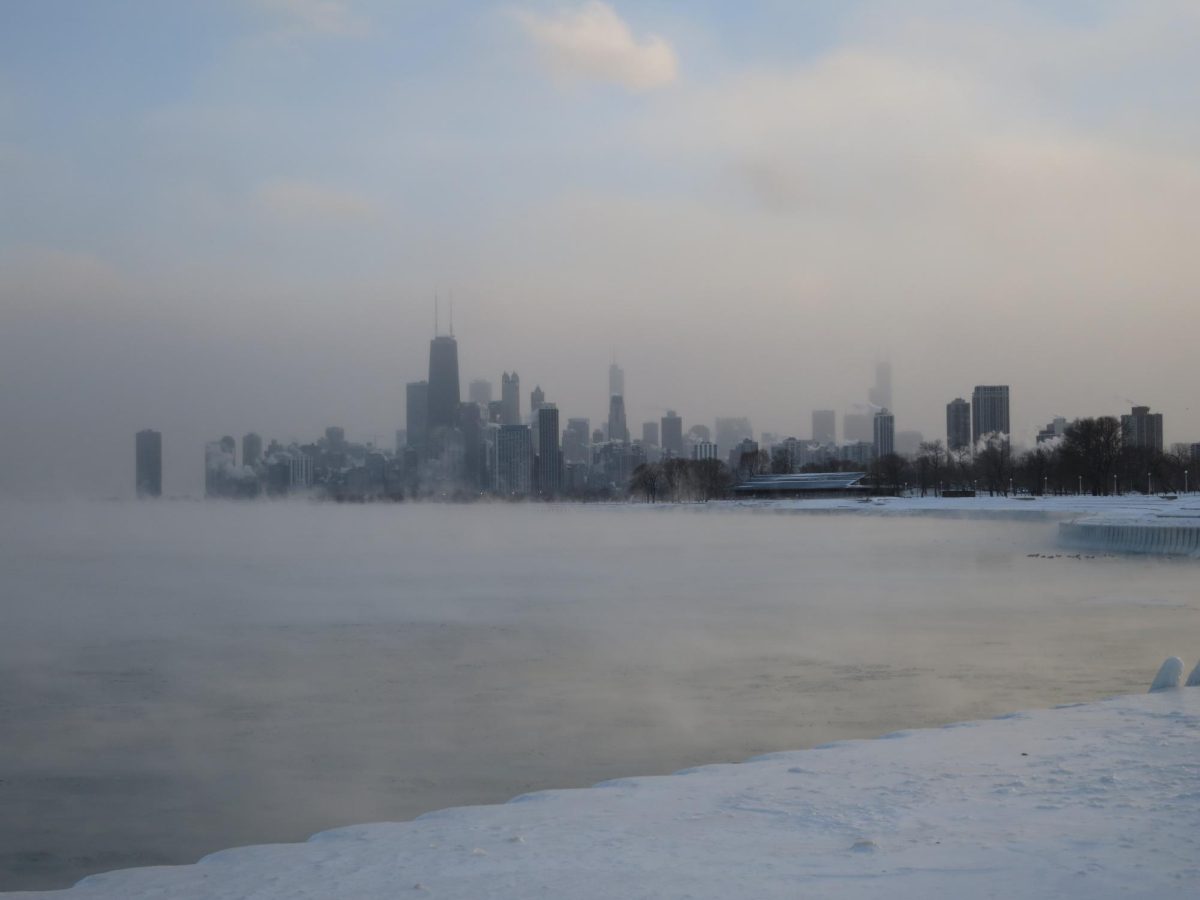
This winter, severe weather has afflicted nearly all of the United States, so much so that freezing temperatures typical of the northern US have reached as far south as Florida and Texas. Many school districts in CNY have exhausted all their allotted snow days, prompting preparation for remote learning days to keep up with state standards. Snow removal led by city sanitation departments and private companies are also in high gear.
Freezing conditions are especially threatening in the ill-equipped South. In late January, power outages and dangerous travel conditions were prevalent in Tennessee, Mississippi, Texas, and other surrounding states. Much of this sudden surge in winter weather can be attributed to a lasting weather phenomenon: the polar vortex.
Located in the stratosphere, the polar vortex is a vast region of strong westerly winds that has always existed at Earth’s poles. Interactions between this arctic low-pressure system and the tropospheric polar jet stream play a significant role in the severity of winter weather. Often in the winter, the arctic vortex and jet stream expand south to reach past the polar region they frequently reside in. In stable conditions, strong counter-clockwise winds contain arctic air at the North Pole, and the polar jet stream maintains a tight circular flow. This contrasts current conditions, where, according to AccuWeather meteorologist Alex Sosnowski, the polar vortex is disrupted. A weakened vortex fosters cold snaps among mid-latitude regions. As of right now, the polar jet stream has developed a meandering pattern that causes arctic air masses to reach farther south.
While the polar vortex is nothing new, climate change is further complicating its pattern. The effects of the rapid warming of the arctic and sea ice loss on the polar jet stream are not completely understood; however, it’s plausible that frequent disruptions of the jet stream could be a product of these changes. Additionally, temperature swings at the mid-latitudes can become more severe due to the overall warming at these regions. According to the University Corporation for Atmospheric Research, temperature drops of 30º F (16º C) or more are possible from Arctic air moving southward.
Regardless of fear-mongering on social media over the polar vortex event, it is important to be mindful of how climate change on our planet is affecting our everyday lives. Disruptions of the polar vortex are neither apocalyptic nor ominous, but represent one of the many potential talking points for climate change in the future.