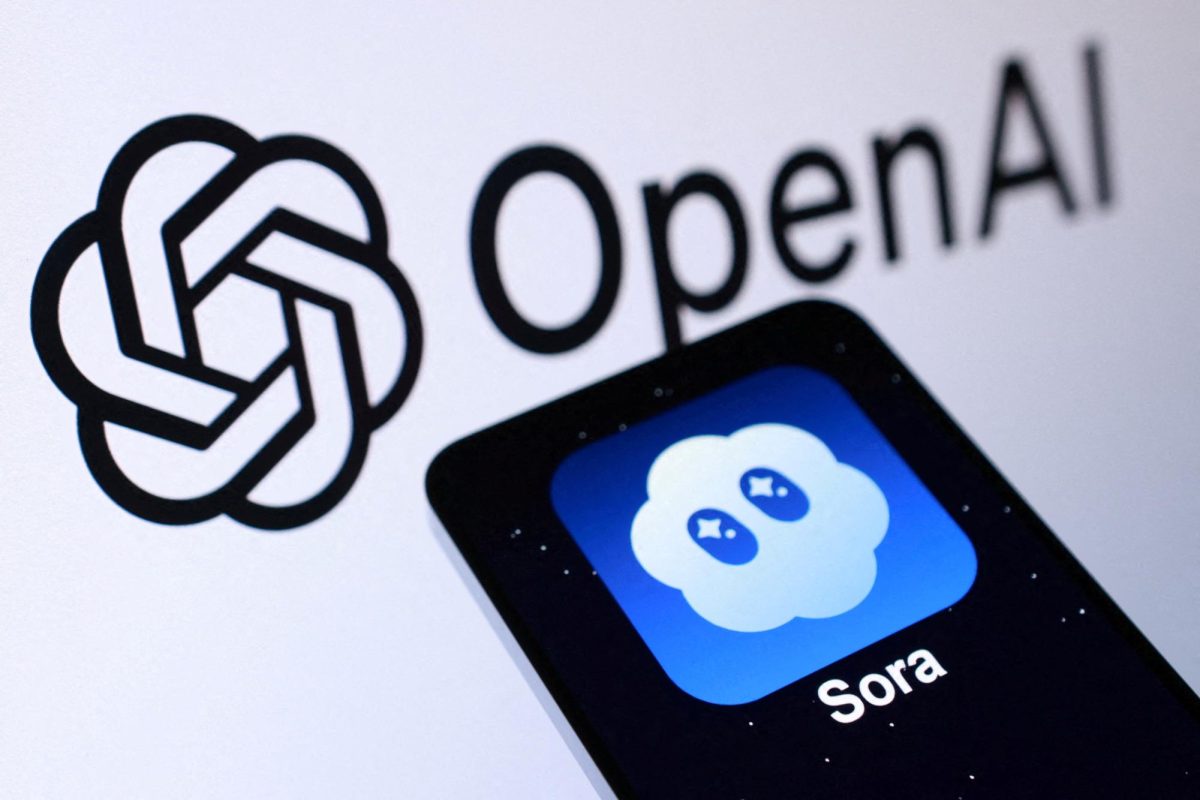
Announced on December 11th of 2025, Disney’s agreement with the generative AI giant OpenAI granted a three-year license to over 200 characters across Disney’s vast catalog. This agreement was an investment amounting up to $1 billion, and gave OpenAI permission to utilize the likeness of their characters, costumes, and props. This even extended into other groups under the Disney name, such as Marvel, Pixar, and Star Wars. In late 2024, OpenAI released their video generating software known as Sora, which allows users to type a prompt and watch it come to life in a short clip. In relation to this bargain, the characters selected for the agreement would be inserted by users via Sora into short-form social media content. The general idea surrounding this was for the creation of “fan-inspired” videos, all of which would be integrated as a feature onto Disney+.
Since the release of the final version of the app, Sora 2, in September of 2025, the video generation sensation has made waves across both Hollywood and social media. The fear of AI usage in the film and TV industry has been an ongoing conflict long before the release of Sora, leading to the actors’ and writers’ strikes of 2023. Since then, unions such as the actors’ union, SAG-AFTRA, have tried to negotiate contracts protecting their members. Disney’s potential partnership with Sora sparked concern at the Animator’s Guild shortly after being announced. The guild posted on Instagram that “…the unpredictability of generative AI is concerning and undermines both [Disney’s] integrity and legacy , even with the most robust guardrails.” This anti-AI sentiment has been popular amongst both creators and consumers alike.
In the general public, Sora has found itself wrapped in controversy due to a lack of barriers against users. Only a few weeks after the release of Sora 2, the app found itself in hot water as “disrespectful depictions” of AI generated content featuring Martin Luther King Jr. began circulating online. Additionally, the app had been accused of infringing on copyright and creating complicated opt-out requests. According to Mashable, the company’s policy for copyright holders to block the usage of their characters in generated content cannot be a blanket request. Each character has to be sent through the company’s copyright dispute form.
This partnership seemed to come as a surprise for many fans, as Disney is notorious for gatekeeping IPs. In fact, Disney, along with NBC Universal and DreamWorks, filed a major lawsuit against the AI image generating company Midjourney in 2025. The decision to even prospectively work with a company like OpenAI marked a huge change in Disney’s traditional operations. Disney’s chief legal officer even stated during the Midjourney case that “Piracy is piracy, and the fact that it’s done by an AI company does not make it any less infringing,” which seems to contradict the action the company has taken since the Sora deal announcement.
On March 24th, the team at Sora posted a message on X that they were “saying goodbye to Sora.” A statement made by an OpenAI spokesperson to CBS News declared that “the Sora research team continues to focus on world simulation research to advance robotics that will help people solve real-world, physical tasks.” It has not yet been clarified whether OpenAI intends to remain in the AI video business, but the Sora app, which is independent from other OpenAI products, is confirmed to be removed.
A representative from Disney informed Variety that the company will “respect OpenAI’s decision to exit the video generation business and to shift its priorities elsewhere. We appreciate the constructive collaboration between our teams and what we learned from it, and we will continue to engage with AI platforms to find new ways to meet fans where they are while responsibly embracing new technologies that respect IP and the rights of creators.” It seems like Disney’s new direction will be moving towards building onto their brand using audience-driven content, while still intending to protect existing IPs.
Although they may seem open to this, it is clear that they will be operating based on their conditions. An up-and-coming competitor to OpenAI has been ByteDance, a Chinese company that is best known for their powerful AI video generating program, Seedance. On February 13th of this year, Disney sent a cease and desist letter to ByteDance in regards to the recent release of Seedance 2.0. According to Axios, the letter accused ByteDance of having “a pirated library of Disney’s copyrighted characters from Star Wars, Marvel, and other Disney franchises, as if Disney’s coveted intellectual property were free public domain clip art.” This indicates that although the company does plan to branch out into the world of AI, they will be doing so on their own terms.