
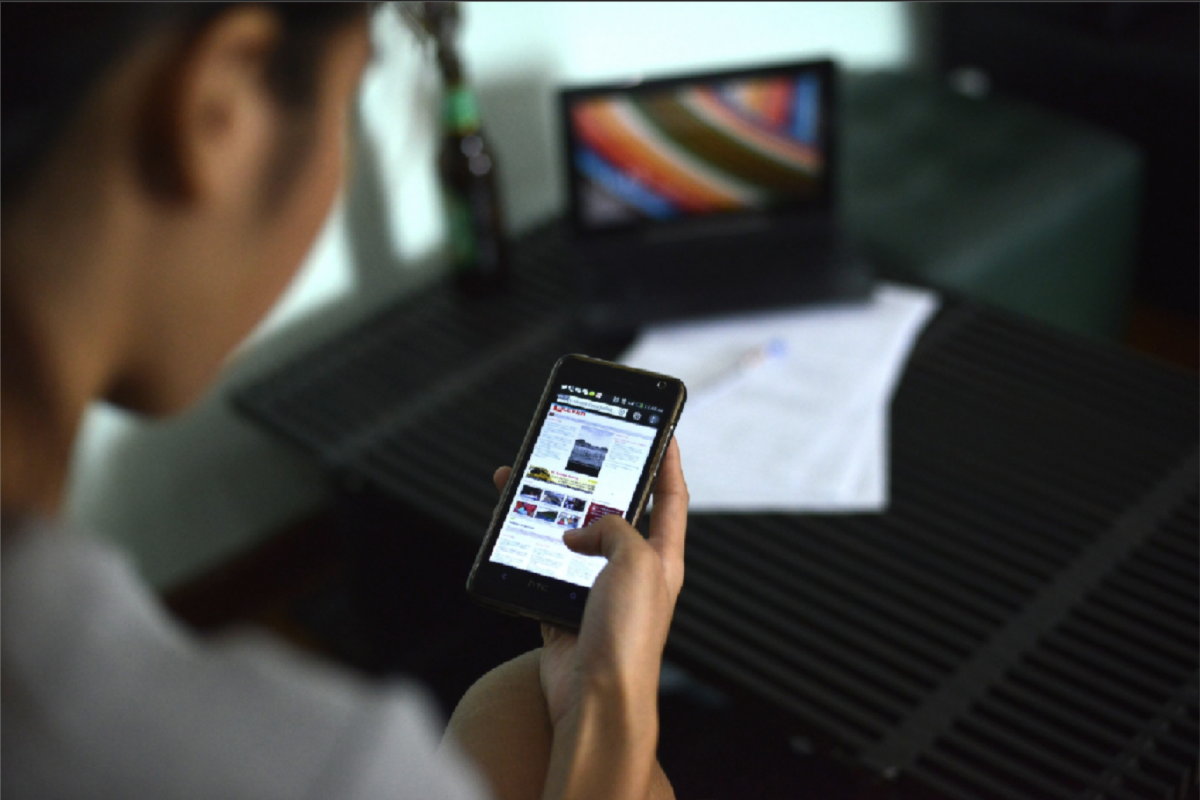
A study from Common Sense Media found that 97% of kids use their phones during school hours. In our society, cell phones have become a necessity for everyone to take around everywhere, especially students. However, recently debate has increased about their usage in schools.
Ever since FM induced the bell-to-bell phone ban policy, many students have been infuriated. The distress from students is definitely understandable—harder communication especially during emergencies, longer research time, and harder access to educational tools. However, there are valid reasons why the phone ban does make sense and should be continued.
Cell phones can harm the wellbeing of students. They emit a specific type of energy called Electromagnetic Field (EMF) radiation, which can become harmful when we constantly keep our mobile devices close to our bodies over long periods of time. It will heat up our body depending on how close we keep our phones, and this heat can cause headaches, fatigue, etc. This is why we aren’t supposed to keep our phones close to our faces. But, it doesn’t just stop there. Cell phones can also cause eye strains, sleep disruptions, physical strain (looking down on the screens can cause pain in the cervical spine, neck, shoulders, and back), and many other effects on the body.
Cell phones can be a distraction. Cell phones can interrupt classes when students receive notifications, texts, and calls during lessons. Even if they aren’t actively using the phone, they will still feel the notification vibration which can interrupt students’ concentration and attention from learning. Students might also try to multitask by texting, playing games, or browsing through social media during class, which affects their ability to focus on what’s being taught in class and their participation in classroom discussions.
Cell phones impact academic performance. Studies from NHD have shown that students with cell phones present in the classroom can score 7% lower on exams. Which may seem like a few points, but trust me that is about a letter grade lower. So an “A” can turn into a “B”. Students who use their phones in class are most likely to take fewer notes and have poorer overall academic performance, compared to those who did not. But it doesn’t just affect classroom performance, it also affects students’ efforts in homework. It is observed that students who are more addicted to their phones don’t put much effort into homework, since they are more absorbed in what is going on in their phones rather than school.
Cell phones can increase cheating and dishonesty in school. As there is easy access to information, during tests and quizzes, students can look up answers or share them with their peers. This can result in reduced studying, dishonesty, and cheating. Students might even use their phones to copy text or ideas from the internet without proper citations, and submit assignments that are completely plagiarized, which contributes to dishonesty in academic careers.
With all this information, I hope you understand the real, detrimental impacts of cell phone use in schools and why FM probably filed this phone ban for the district. So next time you complain and argue over the phone ban, maybe think twice about why it’s in place.