Politics has become a forbidden dinner table subject, while the current political situation demands our attention and debate. Has our fear of conflict led to a lack of collaboration and discussion, and is this what makes us complicit in the current political climate?
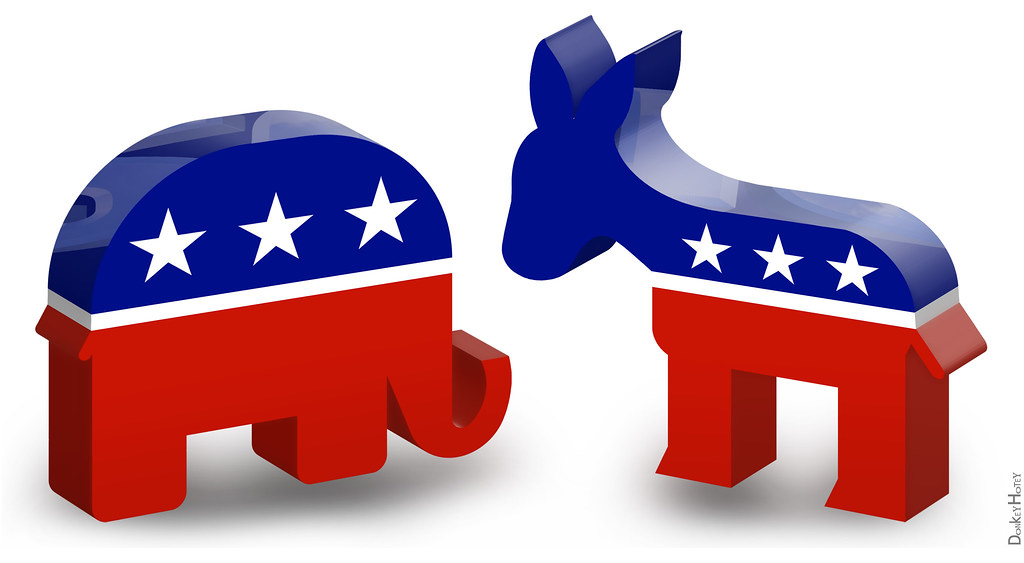
It’s no secret that the country is divided. Both conservatives and liberals have become much more extreme, and party statements reflect that. Topics such as immigration, SNAP benefits, proposed acquisitions of land by the US, and abortion have been the most recent sources of divide. Many Americans are hesitant to discuss subjects that could be contestable with anyone they don’t know the party allegiance of. Some even refuse to be friends with anyone who is of the opposite party.
This has become a point of conflict between family as well as friends, neighbors, and coworkers. At Thanksgiving and holiday dinners, the topic of politics is staunchly avoided by most, knowing that if the topic turns to politics, they may find themselves fighting with their loved ones.
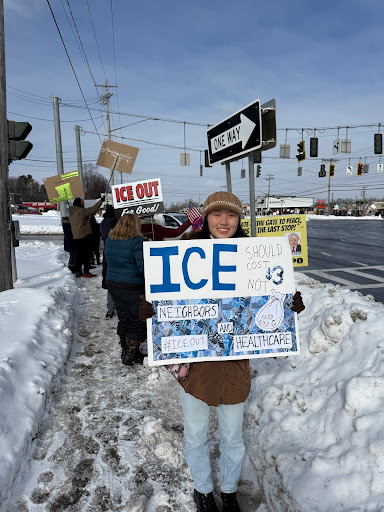
The social lives of teenagers are heavily impacted by this refusal to have differing opinions. I, myself, have seen numerous social media posts declaring, “If you support ICE, unadd me” or something to that effect. While I personally believe the actions of ICE are deplorable, is the solution really to restrict contact with anyone who believes otherwise? In person, friend groups have become increasingly monopolitical. I’ve noticed verbal attacks on dissenting voices, whether present or hypothetical, to a degree that is new to the past year or even the past several months.
By interacting with people who disagree with us and through debate, we challenge ourselves intellectually and morally. Only through debate can we discover our beliefs and morals and justify them. If we can’t justify our beliefs to ourselves, they simply cannot be grounded in reason, and if we can justify them to ourselves we can explain our beliefs to others, even if they don’t agree. We have been isolating ourselves, subconsciously or intentionally, from roughly half of those we live with every day.
The lack of interaction between political philosophies is making us complicit. We are so stuck in our ways that any challenge to them makes us so afraid that we avoid it entirely. Through debate rises activism, and through activism rises change. Many argue that our country needs change. How can we expect change to come if we won’t bring it ourselves?
In order to share our ideas, we also need to be open to other ideas. It may be challenging for some, but without this, chaos will ensue. If you want your opinions to be heard and respected, you must first hear and respect others. You don’t have to agree with them, and they don’t have to agree with you, but if we wish to build a world of progress, we must listen to each other.
If we wish to change our world, no matter what position or stage we are in life, we must start with respect.