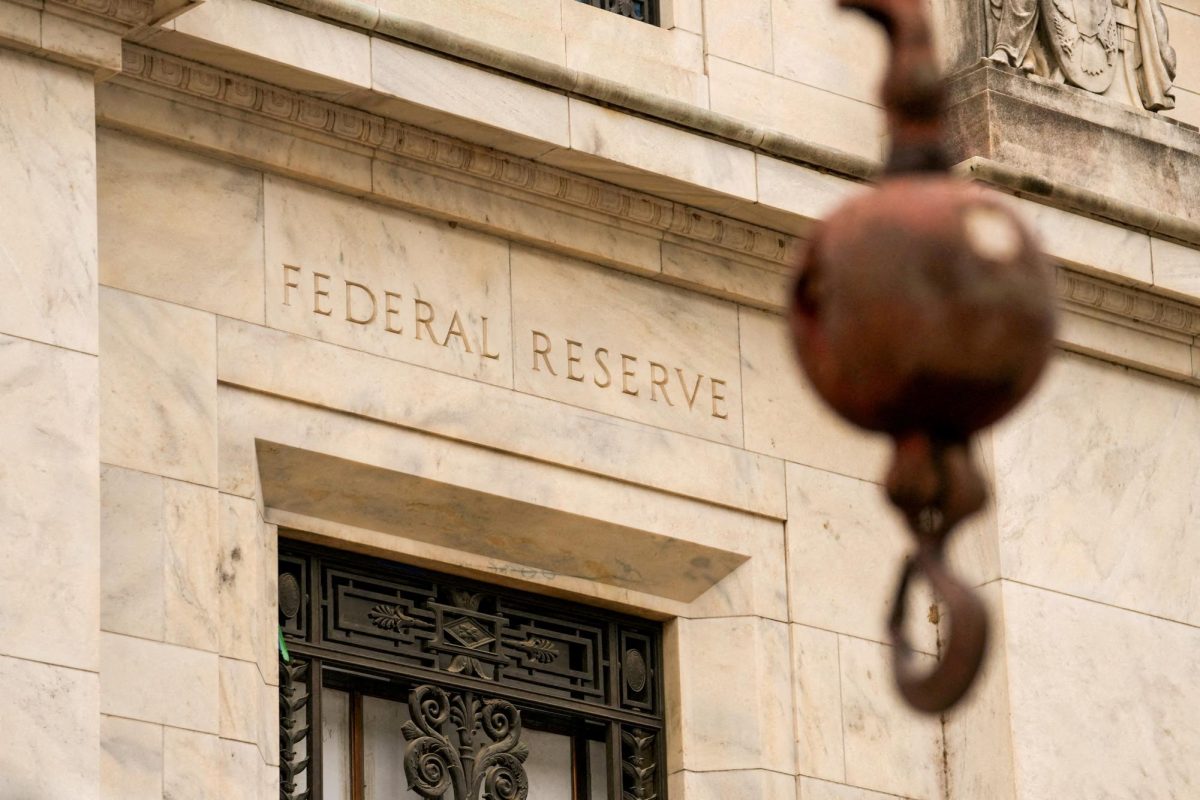
On January 28th, in the first rate-setting meeting of 2026, the US Federal Reserve voted to leave the interest rates unchanged despite facing pressure from the White House.
In his second term, President Trump has been strongly advocating for significantly lower interest rates, aiming to reduce rates to 1% in 2026. He declared that the higher rates have cost the US economy “hundreds of billions of dollars” in a written note to Jerome Powell, the US Federal Reserve chair — shared on the president’s social media app, Truth Social.
Reducing interest rates is a way for the government to encourage borrowing and help manage debt. The cuts are meant to stimulate economic activity, boost employment, and lower the borrowing costs for citizens and businesses, making it cheaper to finance homes, cars, and business expansions. However, despite the short term economic benefits, there is significant risk of pushing up prices in the long run.
In late 2025, federal interest rates were cut three times in the US Federal Reserve’s federal open market committee (FOMC) votes, bringing the benchmark rate down to 3.5% to 3.75%. This pattern was broken in their most recent meeting, where they voted against further cuts. Powell also stated in a recorded statement that he believes that it’s unlikely that the FOMC will continue to vote for interest rate cuts as “it’s hard to look at the incoming data and say that policy is significantly restrictive at this time.”
The FOMC, composed of 12 voting members and 8 meetings annually, continues to face enormous political pressure from President Trump to lower interest rates. Powell in particular faces targeted attacks, including the opening of a criminal investigation into his handling of the refurbishment of the central bank’s offices. Powell, however, called this investigation a “pretext,” and stated that the Federal Reserve will continue “setting interest rates based on our best assessment of what will serve the public, rather than following the preferences of the president.”